History of Japan.
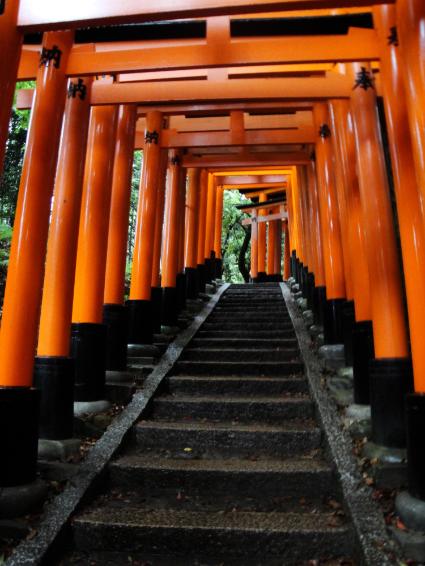
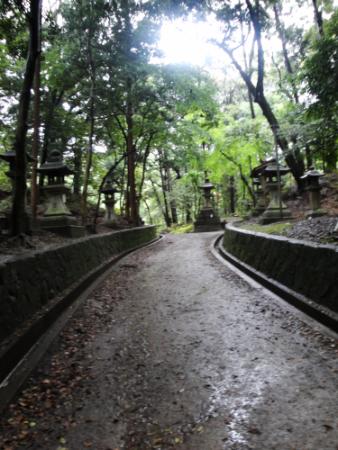
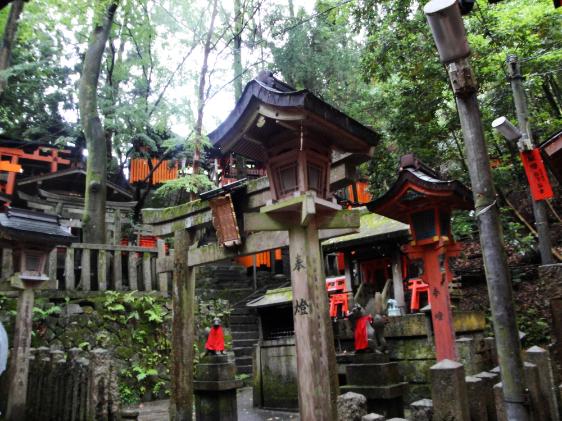
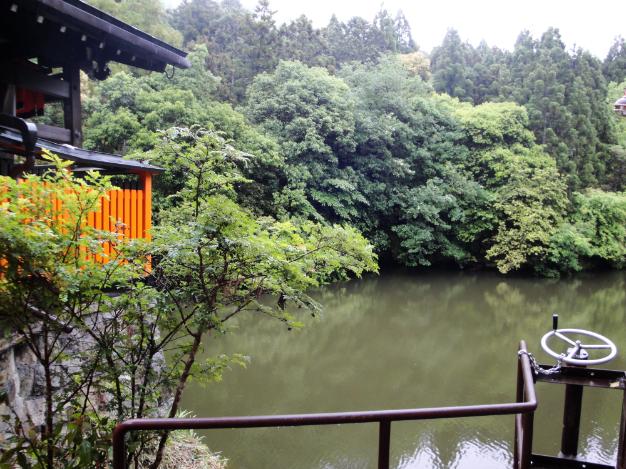
For my historical reflection of Japan I decided to do more research on my favorite temple grounds I experienced while staying in Japan. Fushimi Inari Shrine in the beautiful city of Kyoto. The day we journeyed to this shrine had rained all day, but it made the experience of it so much better with the water falling from the torii gates and the sound of the rain hitting the trees. Fushimi Inari Taisha is the head shrine of Inari, which sits at the base of a mountain also named Inari where there were trails up the mountain to many smaller shrines that we were able to venture through.
Although I did not know that Inari was seen as the patron of business since each Torii is donated by a Japanese business when I was there, now that I have done more research I have also learned that Inari is the god of rice, which is important because rice is a main crop for Japan. Merchants and manufactures worship Inari for wealth and s said to have as many as 32,000 sub0shrines throughout Japan.
During the early Heian period the shrine became the object of Imperial patronage. Throughout the years of 1871 and 1946 Fushimi Inari-taisha was officially designated one of the Kanpei-taisha, meaning that it stoop in the first rank of government supported shrines. This shrine is the most revered Shinto shrines and serves as the headquarters for all the 40,000 shrines dedicated to Inari across Japan. Fushimi Inari Shrine draws thousands of businessmen and tradespeople seeking blessings for their enterprises, especially at the first prayers of the New Year.
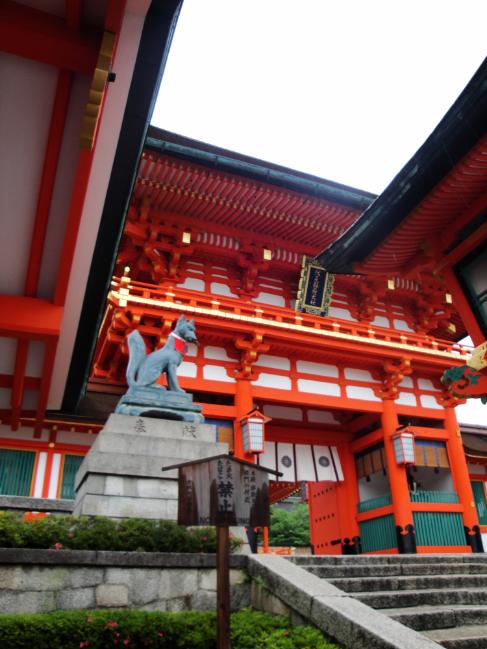
A tourist website advises tourists to visit this shrine near dusk so you may be able to wander alone throughout the grounds because it is a magical experience, which I was able to experience since we went on a rainy day not many people were there. While I was there I did not come across any foxes or monkeys, though there were signs to beware of monkeys. The foxes are said to be messengers of Inaare and can be seen throughout the shrine, although they are generally considered helpful, they have also been said to bewitch people.
This Shinto shrine was truly an amazing and peaceful experience, I am grateful I was able to experience it. I am also grateful the United States decided against dropping the bomb on Kyoto because it is such a peaceful and beautiful city, as is all of Japan, but it is impossible to think all of that shrine would have been destroyed.